
Project Management 101
Transforming Ideas into Tangible Results with Smart Planning and Execution.

Every great idea needs a roadmap, and that’s what building a project is all about—turning dreams into actionable plans and results. Over the years, I’ve learned that successful project execution isn’t about being perfect but about being prepared, flexible, and focused.
In this post, I’ll walk you through the step-by-step process of crafting a project plan, visualizing it with tools like Gantt charts, and managing resources intelligently. Whether you’re launching a startup or scaling your existing business, these insights will help you streamline your efforts, minimize risks, and deliver meaningful outcomes.
Let’s dive in and start building smarter.
Building a Project
To build a project starts with a project plan, which is one of the most important aspects of project management. A project plan establishes the scope of the project and defines the goals as well as all the steps that are needed to be taken to achieve the goals.

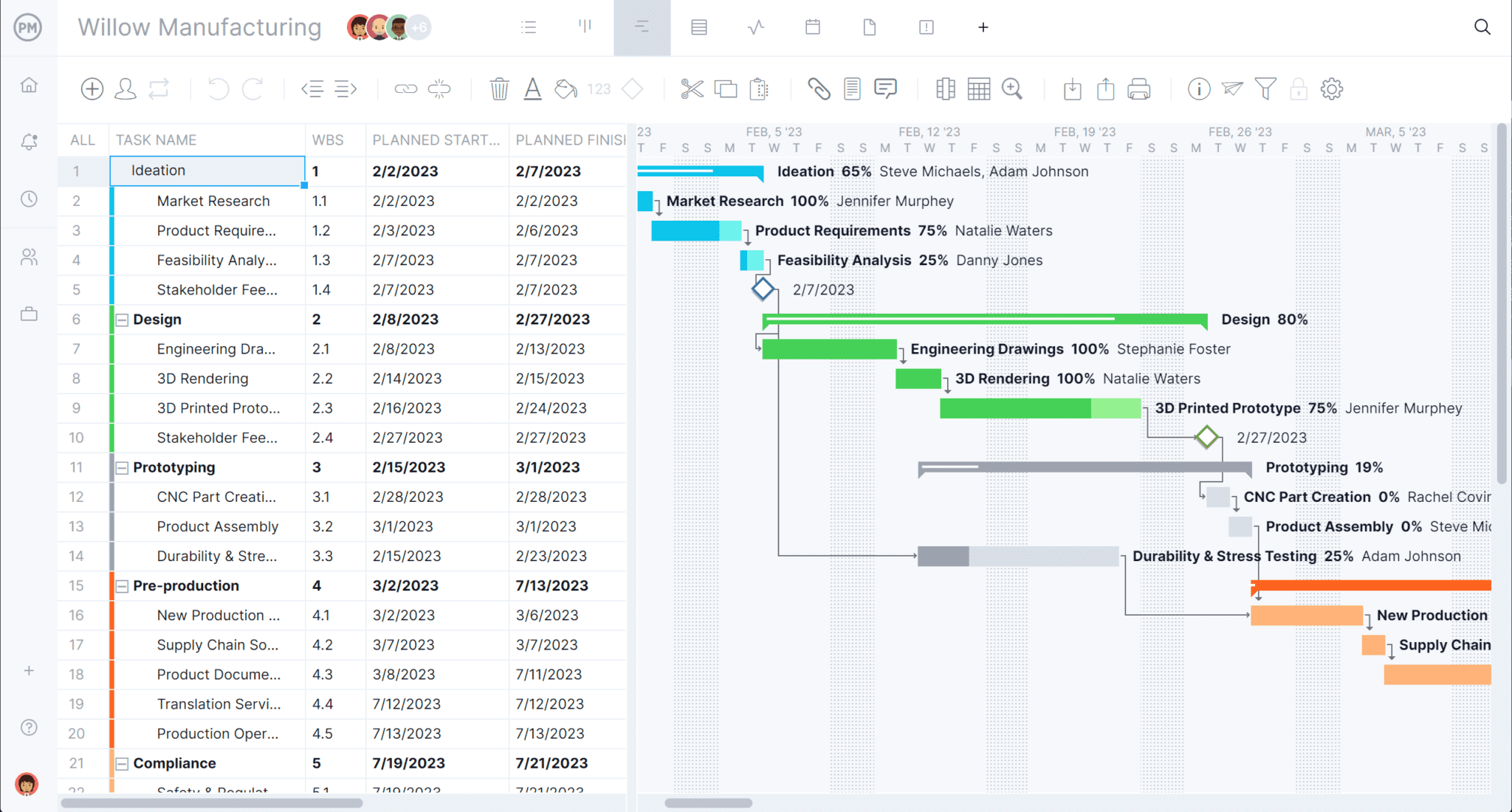
A project plan is often presented in the form of a Gantt chart (see my other post for a Gantt chart is). But before visually representing the project in a fancy chart, there is a process to the actual building of the project that will help you think critically about future projects you develop in your startup.
The following are the steps that you can take to build the project from ground up, which is significant for you startup:
Step 1: Understand the purpose of the project (what is trying to be accomplished)
Step 2: Do research to find out as much as you can about everything to do with the project
Step 3: Ask challenging questions to get to the best answers
Step 4: Develop an outline for the project plan
Step 5: Have a discussion with the team
Step 6: Fill out the outline with full information
Step 7: Make a visual representation of the project plan (i.e. Gantt chart)
Step 8: Share the project plan with the team and seek buy-in
Building a project is not rocket science, but it does require tenacity, attention to detail, self-discipline, structure, patience, communication skills, curiosity and openness to take input from lots of different people. When your startup has good project management in place, projects can go so much easier. Granted, an easy project shouldn’t be your goal, but rather one that is successful. Use this knowledge and start applying it today to your startup idea – start with something small and simple.
Gantt Charts
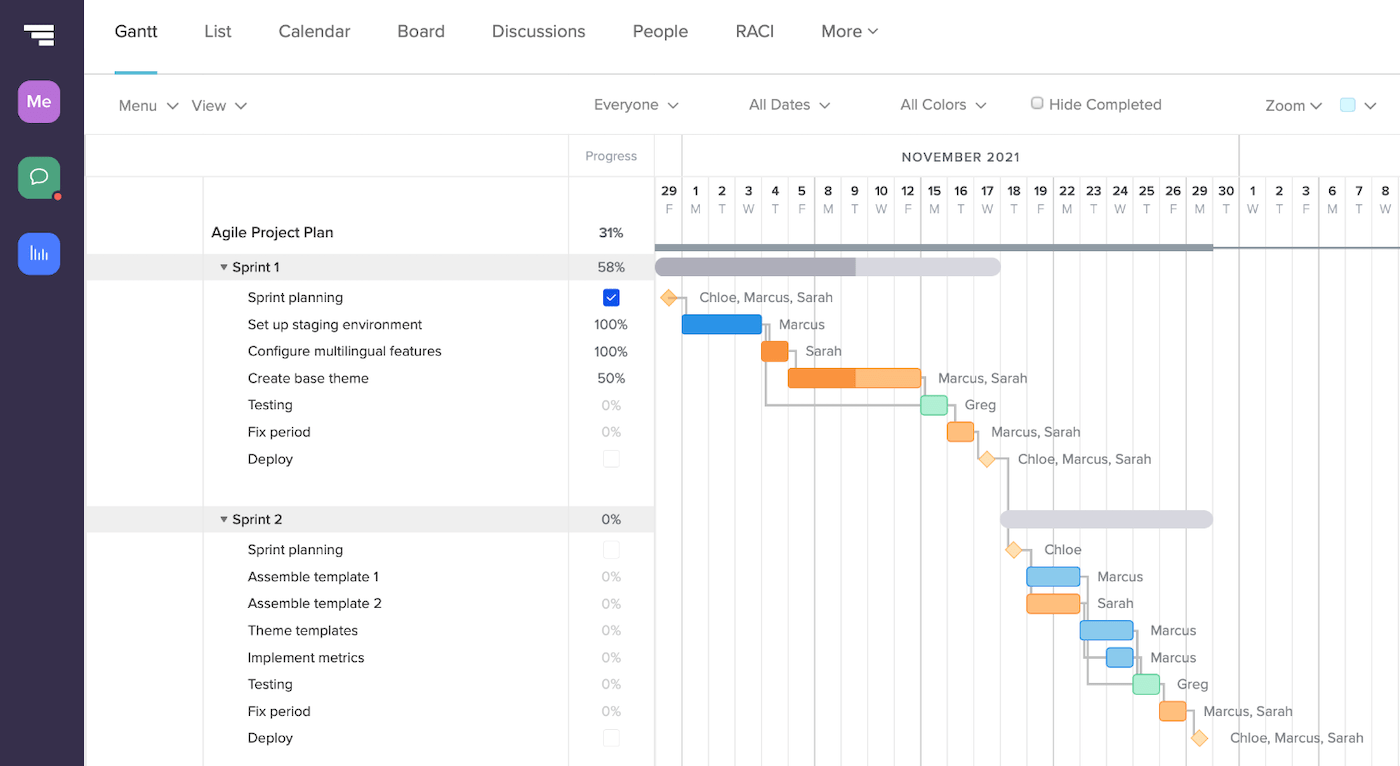
A Gantt chart is a bar chart that illustrates a project schedule. It provides a timeline view of your project, so you can better manage all the tasks, people and resources in your project. You can make great use of Gantt charts as an entrepreneur simply by tracking the various timelines and projects you need to achieve to turn your idea into a winning business. Using this type of chart will force you to think and execute in much more efficient and effective ways.
Moreover, as you build out your idea and eventually build a team of co-founders and early employees, you will learn that a Gantt chart can help you see if the project your team is working on, the one with multiple tasks involved, is going as planned or not. This is because its mere structure is designed to show you how long each task will take and also mitigate potential risk or problems that you might face. Effectively, you are able to establish realistic timelines for your projects and focus on delivering strong results in the most efficient way possible.
You need to use Gantt charts for your startup because they are a powerful visual tool that will help you stay on track and understand every project stands. Do not be led into thinking that you will not have a million things to think about and do at the earliest stages of your startup. Even turning that idea into something tangible, like a prototype or an MVP, will require you to track several different items at once.
If you are unable, as the founder and creator of your startup idea, to plan, organize, manage, execute, and deliver high quality results this early on in the game, you will likely run into deeper issues down the road once your team grows. Sure, you can afford to have a small mishap or mistake earlier on in the game, but once your company is up and running, you cannot afford for one small task to bring down your productivity – or potentially your entire business! This is why it’s important to start planning in efficient ways, and Gantt charts help you do this in a simple way by visually setting timelines, breaking down big directives into small, manageable tasks, and making it easy to track your progress.
As shown in the example below, a Gantt chart is organized into sections for the sake of simplicity, team collaboration, visibility and structure. The following are four key practices in using a Gantt chart.
Organize and group tasks together
Use a bar diagram to represent when a task will begin and end
Include milestones to signify the time when a key goal or deliverable is due
Make sure work gets done in the right order by linking tasks as dependencies
Technology, Systems Architecture, Getting Your Map Before It’s Done
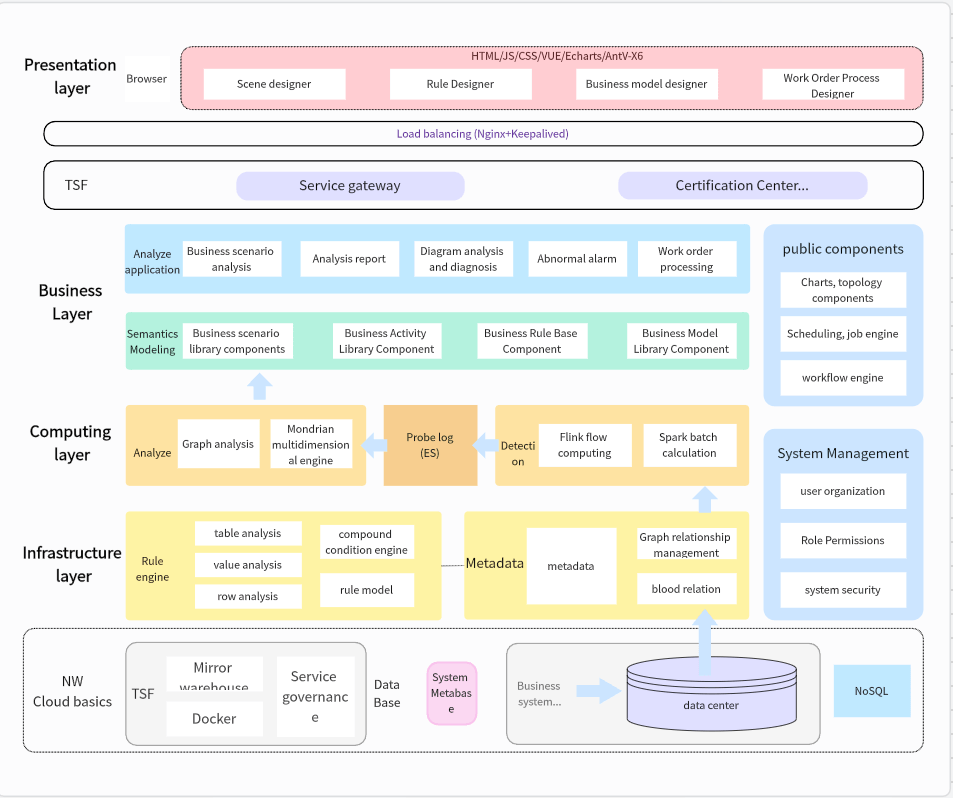
A system architecture is a conceptual model that defines and maps out all the components of a system. It also shows the relationships between the components of the system. In an architecture, components are usually organized in layers. The system architecture organizes and visually depicts all the technical components of a system, including technologies, components, standards, principles, layers and constraints.
A system architecture can be planned and created upfront. You may have the first iteration of your product, but if you have a system architecture behind it, you will be better able to evolve the product in the future. This is why it is best for you to get the architecture worked out and developed before your contract developers leave. Think long term.
Google, for example, has a system architecture for their search engine. It is complex to the average person, but all the pieces of their search engine work together to give everyone the ease of use and intuitiveness of google.com to do online searches.
Without getting into the technical details, let’s look at a couple of system architectures to give you an idea of what this visual depiction looks like:
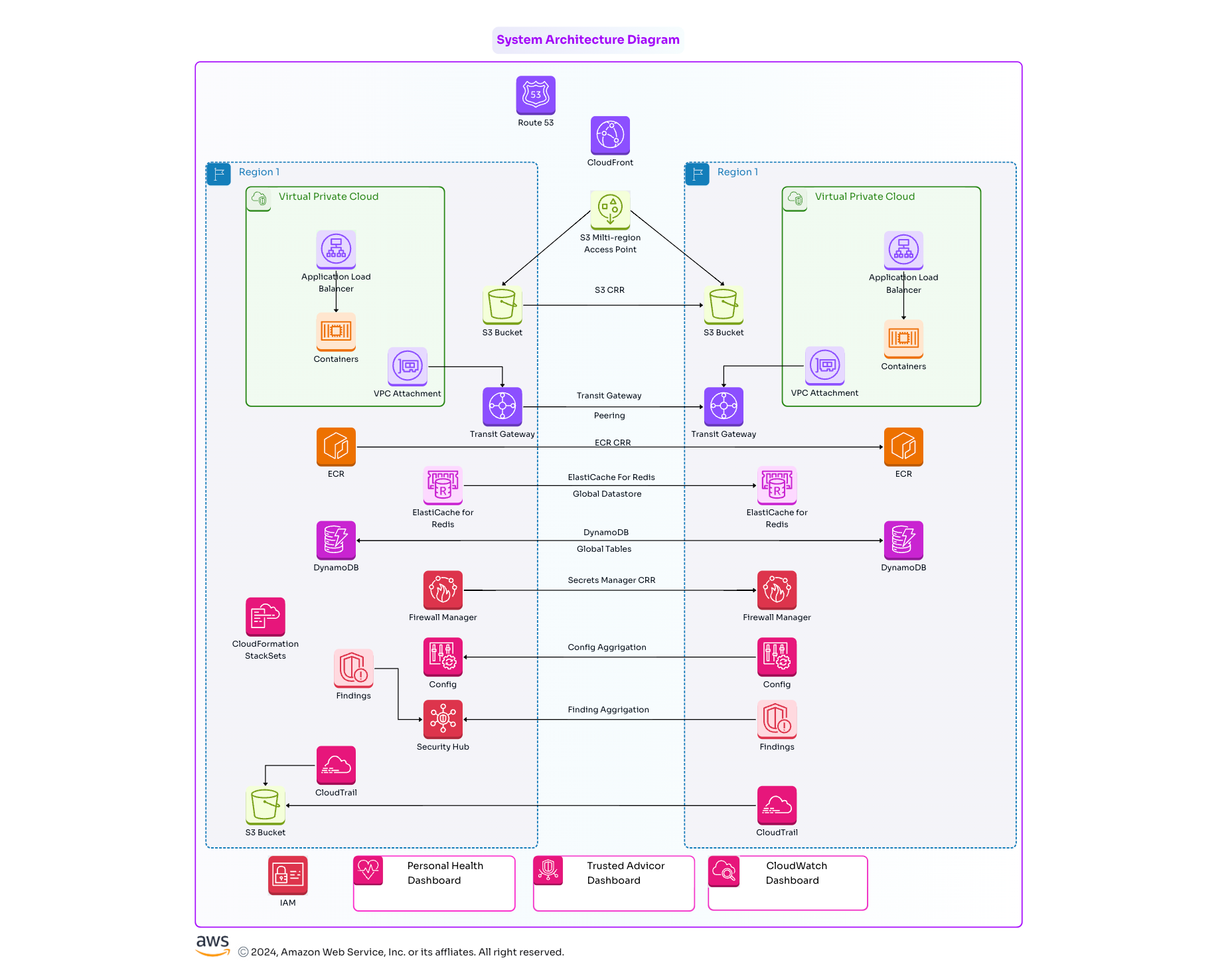
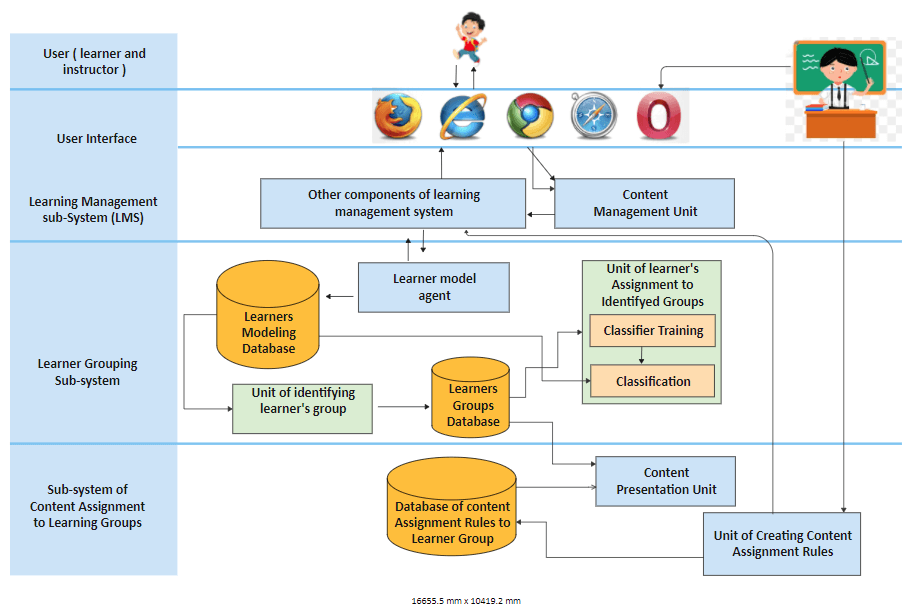
You can do your own system architecture in something as simple as PowerPoint or use a more advanced visualization program. The important thing is to put the thought into how all the components of the “architecture” of your products fit together to deliver the value of your product to customers.
Managing Resources & Time While in Process
As the leader of a startup, you will be working against time to produce deliverables with constrained resources. Sound fun? It’s a challenge that can be fun, if you manage it right. You will feel great when you use your limited time to be productive, maximizing your resources to deliver a product that is different, unique and poised for a bright future.
If you don’t manage these three elements of time, resources and deliverables/scope intelligently, you may find yourself in an unenviable position: out-of-control costs, lack of money, rising debt, broken schedules, frustrated staff, complaints and more. Why risk it?
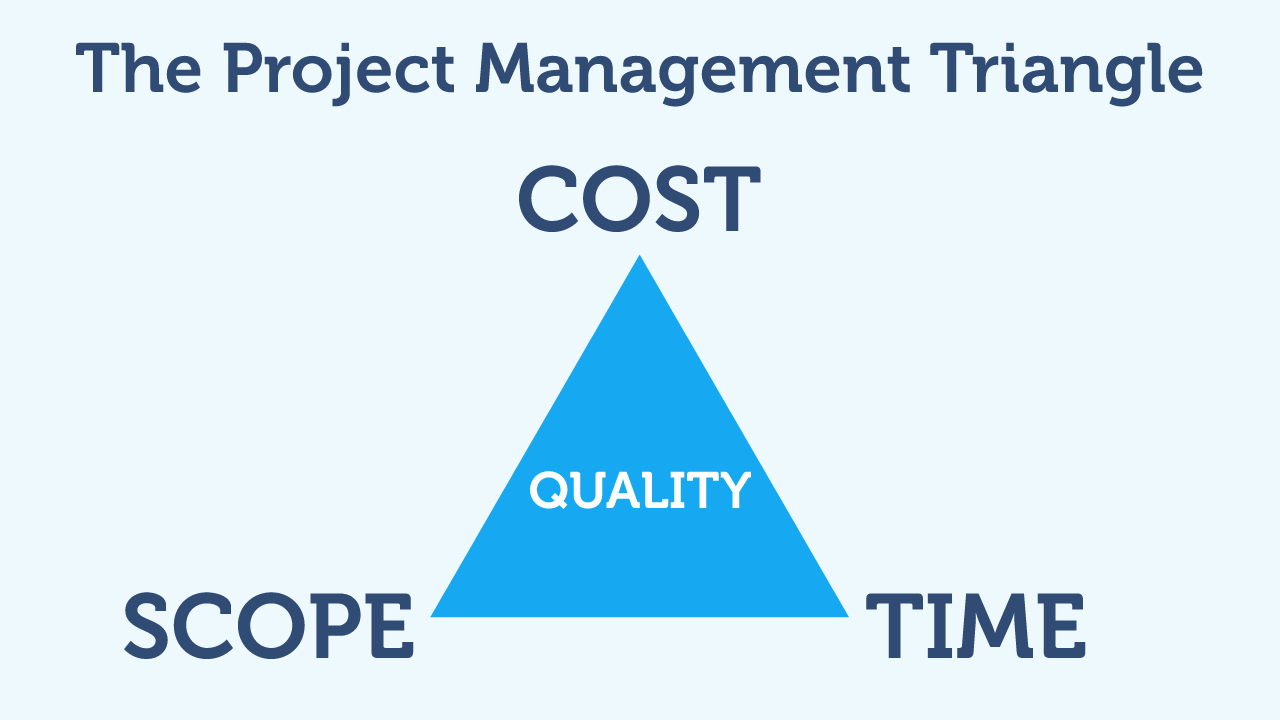
The following are best practices in managing your resources and time:
Create an overall plan, including spending
Develop a daily to-do list to execute on the plan, using the 80/20 rule, which is that 20% of activities drive 80% of results – focusing on the most important things first
Don’t micro-manage people. Let them do the job. Don’t get sucked into the “weeds” of details
Establish budgets and a process for how money is spent
Keep people accountable for their responsibilities and deadlines
Use project management tools (see my other posts, such as the Gantt chart)
Conduct regular check-in meetings to evaluate progress
You also need to be flexible that changes will be needed. Unexpected things will come up, and you will need to manage time and resources to adjust. The better you have control of spending and time management, the better you will be able to accommodate changes or pivots and not get knocked off course.
Even if time management and budget management are not your strong suit in your personal life, you will need to make a new level of commitment to it as a startup founder or get people to help you who are skillful at it. Or else, you will find yourself in a heap of trouble.
Managing Contractors
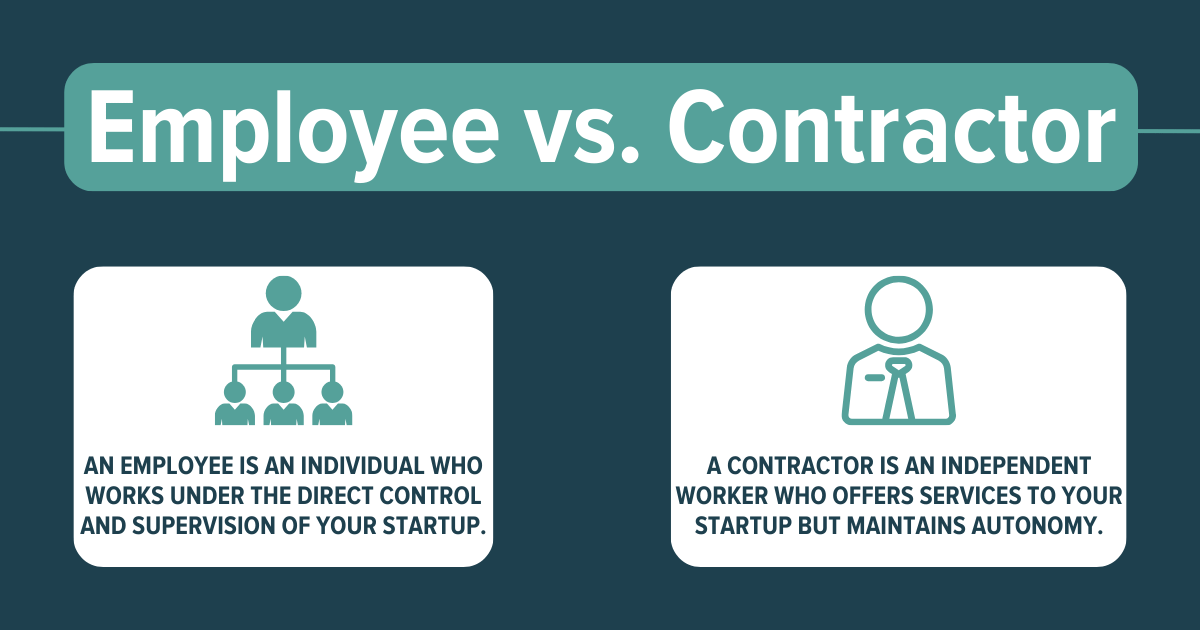
As a startup founder, you will likely use contractors in the future to help advance your company. Contractors can bring expertise when you need it – without making them a full-time employee. Many contractors don’t want to be full-time employees but would like to help you with projects. The flexibility of using contractors is usually good, but issues can arise. In this post, I’ll going to call out the risks to look for and a few best practices to keep in mind
Risks
No detailed scope of work.
Not enough time spent in planning
Receiving a product of low quality]
Communication breakdown
Schedule delays
Over Budget
Contractor claiming extra
Best practices
To address the potential risks, the following are best practices to consider applying:
Spend the time developing a detailed scope of work
Spend more time in planning in the early stage
Establish criteria for what you are seeking
Don’t hire the first contractor available because of a tight deadline
Verify the contractor’s documentation
Check the references of the contractor
Keep up communication
Set clear deadlines and budgets
With contractors, you will want to keep watch in four main areas:
Contract planning
Contractor selection
Contract administration
Corrective action
If you apply these recommendations, you will do well in using contractors to supplement yourself and/or your startup’s in-house team. Keep in mind that contractors will also impact your team dynamic and culture, so make sure to vet your contractors properly before you introduce them to tasks and projects that can deeply impact the future of your startup.
That’s the post. Hope you enjoyed it. If you like it and need more like and subscribe.